Website Design SEO Solutions for Educational Institutions in Rochester, NY
What Makes Educational Institutions Need Combined Website Design and SEO
For educational institutions, a website is more than an online brochure. It is often the first place families, students, alumni, and community partners evaluate credibility, academic offerings, and support services. Effective website design paired with SEO services helps schools, colleges, universities, and training programs create a digital presence that supports search visibility and user trust together.
When https://pittsford-ny14502pe677.cloudhinter.com/posts/web-design-seo-services-digital-marketing-and-ai-experts-in-rochester-ny website design and SEO work together, the result is better user experience, stronger organic traffic, and a clearer path through the admissions funnel. A polished design without SEO may look impressive but remain hard to find. A site built for rankings but poor usability can drive visitors away before they reach a call to action. Educational institutions need both disciplines aligned around page performance, site architecture, and conversion goals.
In Rochester, NY, that alignment matters especially because families and learners have numerous options across the city and Monroe County. Schools, colleges, and training providers compete not only on academics but also on convenience, program fit, and online accessibility. An integrated strategy helps institutions stand out in local intent searches such as “best schools in Greater Rochester” or “adult training programs near me.”
Effective website design supports SEO by making content easy to crawl, pages easy to navigate, and important information simple to find. SEO strengthens web design by bringing the right audience to the right pages through keyword research, meta tags, content optimization, and schema markup. Together, they improve authority building and help institutions communicate value with precision.
How Online Marketing Supports Admissions and Community Reach
Online marketing provides educational institutions a organized way to boost student sign-ups, increase parent involvement, and raise brand recognition. For schools and colleges, marketing is not just about outreach; it is about leading prospective families and learners through early discovery, comparison, and enrollment decisions.
A thoughtful digital marketing plan can assist open houses, application deadlines, program launches, and community events. It also helps institutions reach parents researching options for their children, students comparing colleges, and adult learners looking for adaptable career training. That broad audience targeting is especially important in Rochester, NY, where institutions vie for attention across neighborhoods and nearby communities throughout Monroe County.
Online channels such as search, email, content, and social media all drive lead generation. However, the website remains the main hub where interest becomes action. When visitors land on a page that answers questions quickly, shows proof of success, and offers a clear next step, conversion optimization becomes far easier.
For educational institutions, brand visibility depends on consistency. The messaging on the homepage, admissions pages, program pages, and testimonials should reflect the same mission and voice. Strong digital promotion makes that consistency visible across the web while supporting trust at every stage of the admissions funnel.
Sunstone Digital Tech50 Fountain Plz #1400, Buffalo, NY 14202
(315) 758-3349
https://maps.app.goo.gl/y9HMhvcoPCh9V3eKA
https://sunstonedigitaltech.com/buffalo-marketing-agency/web-design
42.8898193, -78.8738661
Essential Web Design Features for Schools, Colleges, and Training Programs
Web design for educational institutions should emphasize usability, speed, and accessibility. Families and students often browse from phones, so adaptive design and mobile-first design are no longer optional. A site must adapt smoothly to different devices while keeping forms, menus, and calls to action easy to use.
Accessibility is equally vital. Compliance with WCAG standards helps ensure that visitors with disabilities can access content, navigate the site, and interact with forms. For schools, colleges, and training programs, inclusive design is both a compliance and ethical priority. It also strengthens audience reach by making content usable for more people.
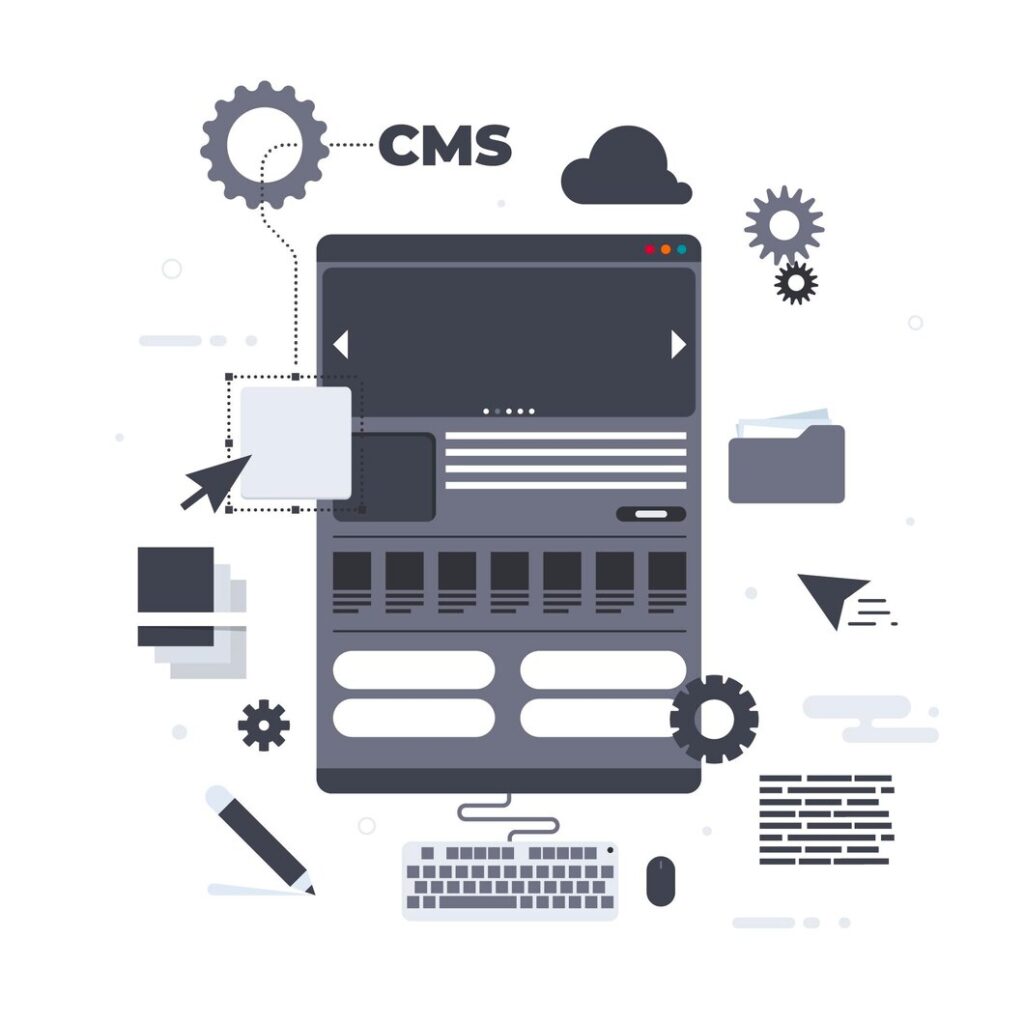
A modern content management system gives staff the flexibility to update calendars, staff bios, event announcements, and admissions content without depending on a developer for every change. This matters for education teams that need fast updates during enrollment periods, school closures, and seasonal campaign shifts. A well-chosen CMS also supports content optimization and long-term website performance.
Navigation should be simple and intuitive. Prospective visitors should quickly find academic departments, tuition details, application requirements, campus information, and contact pages. Good site architecture reduces friction and improves mobile usability, especially for families comparing multiple institutions in Greater Rochester.
Strong educational websites also need:
- Well-structured program pages for academic offerings and training tracks
- Prominent contact information and location details for Rochester, NY visitors
- Quick-loading pages that improve page speed and engagement
- Prominent enrollment or inquiry forms to support conversion tracking
- Proof points such as awards, accreditations, and Rochester-based testimonials
When these elements are built into the design from the start, the website becomes a practical tool for enrollment, communications, and community outreach.
SEO Tactics That Help Rochester School Websites Rank
SEO services for educational institutions should start with local SEO and keyword research. Parents, pupils, and adult education seekers often search with location intent, looking for schools, colleges, or learning programs in Rochester, NY and Monroe County. Understanding those searches helps each page aim at the right terms and attract qualified visitors.
Search term research should map terms by target audience and intent. For example, a school might target admissions-focused terms, while a college might emphasize academic degrees, transfer pathways, or learner services. Training programs may need to capture job-focused search behavior from adult learners. The goal is not to cram keywords into content but to match content with real search intent.
On-page SEO plays a key role in ranking. Titles, headings, image alt text, internal links, and meta descriptions should all strengthen the page topic naturally. Strong onsite optimization increases relevance while making it easier for search engines to understand the page structure. This is especially useful for institutions with multiple departments, campuses, or service-area pages.
Site technical optimization is the cornerstone beneath everything else. Search engines need clean code, secure pages, fast load times, and a crawlable structure. If a school website has broken links, duplicate content, slow scripts, or confusing redirects, rankings can drop. Technical SEO also supports schema markup, which can help search engines better recognize events, programs, and organizational details.
Nearby search optimization matters because many searches come from nearby families comparing institutions within a specific service area. Rochester-area schools can boost local intent signals by optimizing Google Business profiles, maintaining consistent NAP details, and creating location-based content for neighborhoods and nearby communities in Monroe County. These steps increase search visibility and help each institution engage people ready to act.
For the strongest results, educational institutions should combine SEO services with conversion-focused optimization. Ranking well on its own is not enough if visitors do not reach out, complete an application, or arrange a visit. A high-performing strategy focuses on both visitors and outcomes.
Artificial Intelligence Experts & Automated Systems in Educational Marketing
AI experts are becoming more essential to institutions, colleges, universities, and training programs that want quicker understanding and more effective digital marketing workflows. AI tools can help institutions study visitor behavior, spot content gaps, and strengthen personalization across the website experience.
For example, These tools can support audience targeting by revealing which pages attract parents versus prospective students or adult learners. They can also highlight which search terms produce the best lead generation results and where visitors leave the admissions funnel. With better analytics, institutions can make more strategic decisions about content, outreach, and conversion tracking.
Personalization is another major advantage. Educational websites often serve multiple audiences together, including families, current students, alumni, donors, and community partners. AI-assisted personalization can present relevant content based on user behavior, location, or previous page visits. That means a prospective student might see program pages and application deadlines, while a parent sees safety information and testimonials.
Automation can also reduce workload for small marketing teams. AI-powered content workflows can assist with drafting event summaries, optimizing meta tags, or suggesting internal links for improved site architecture. When used responsibly, these tools help staff move more quickly without sacrificing quality or accuracy.
Still, AI should complement human strategy, not replace it. AI experts bring the judgment needed to balance automation with institutional voice, compliance needs, and community trust. In education marketing, accuracy and credibility matter as much as speed.
Content That Fosters Trust among Learners, Guardians, and Alumni
Strategic content is one of the most effective ways to foster trust with prospective students, parents, and alumni. Educational institutions need content that provides clear answers, demonstrates expertise, and highlights the human side of the organization. That includes admissions content, faculty profiles, program pages, event pages, and student stories.
Testimonials are especially powerful because they provide social proof. A Rochester-based testimonial from a parent, graduate, or employer can make a school feel more relatable and credible to local searchers. Testimonials should be specific and authentic, showing how the institution helped a student succeed or supported a family through the admissions process.
These program pages should do more than list offerings. They should outline outcomes, requirements, schedules, costs, and support services. For colleges and universities, that means clearly presenting majors, certificates, and career pathways. For training programs, it means showing how coursework leads to practical skills and employment opportunities. Strong content optimization makes these pages more useful for both people and search engines.
Admissions materials should reduce uncertainty. Visitors want to know how to apply, what deadlines matter, what documents are needed, and who to contact for help. Clear admissions content supports the admissions funnel and lowers friction that can cause prospective applicants to drop off.
A strong content strategy also helps establish authority. When institutions publish helpful articles, FAQ pages, program guides, and event updates, they demonstrate thought leadership and improve search visibility over time. That content can serve families searching in Rochester, NY and broader audiences across Monroe County and Greater Rochester.
Tracking Effectiveness: Site Traffic, Leads, and Enrollment Conversions
Academic institutions need accurate measurement to understand whether web design and SEO services are producing results. Google Analytics is a core tool for measuring website performance, organic traffic, and conversion tracking. It helps teams see which pages attract visitors, how long people stay, and where they leave.
Performance metrics should reflect real institutional goals. Common metrics include inquiry form submissions, campus tour registrations, application starts, phone calls, and event sign-ups. For schools and colleges, these indicators are often more valuable than raw traffic because they show how well the site supports lead generation and enrollment.
Conversion rate is another important measure. If a page receives traffic but few visitors take action, conversion optimization may be needed. That could mean changing the call to action, shortening a form, improving page speed, or rewriting content to better match audience intent.
Analytics reporting should be regular and actionable. Marketing and admissions teams should review which pages drive the most engagement, which search queries bring in the best visitors, and which devices users rely on most. This can uncover opportunities to improve mobile usability, refine content strategy, or strengthen underperforming pages.
Data also helps institutions compare results from one year to the next. A Rochester-area school might track how a new website redesign affects lead generation from families in Monroe County, or how updated program pages influence inquiries from adult learners in Greater Rochester. Those insights make it easier to invest wisely and improve future campaigns.
How come Rochester, NY schools Benefit from a Localized Strategy
Rochester, NY is a competitive market for educational institutions. Schools, colleges, universities, and training programs all vie for visibility with families, students, and working adults searching for the right fit. A localized strategy helps institutions speak directly to people in Rochester, NY while also reaching nearby communities across Monroe County.
Local competition is especially important because prospective audiences often evaluate multiple options before taking the next step. They may search for institutions by neighborhood, program type, schedule flexibility, or commute convenience. A local-focused digital marketing strategy can address these concerns with service-area pages, location-specific testimonials, and pages that highlight regional connections.
Search intent in Greater Rochester can differ by audience. Families may look for private schools or special programs. Students may compare colleges and universities with strong academic or athletic offerings. Adult learners may search for career training programs with evening or hybrid classes. A local-focused approach helps each audience find the most relevant content efficiently.
Trust signals should also reflect the area. Rochester-based testimonials, local event listings, and clear contact details provide visitors confidence that the institution understands the community. For organizations with multiple campuses or service areas, location pages can improve local SEO while reducing confusion.
Ultimately, Rochester institutions benefit from strategies that combine web design, seo services, digital marketing, ai experts into one targeted plan. That approach improves brand visibility, supports student enrollment, and helps institutions compete more effectively in a competitive local market.
Frequently Asked Questions
Which web design and SEO services do educational institutions need most?
Educational institutions usually need mobile-friendly design, mobile-first design, accessibility support, content management system setup, keyword research, on-page SEO, technical SEO, local SEO, and conversion optimization. These services help schools, colleges, universities, and training programs improve search visibility, website performance, and the admissions funnel. A well-planned website redesign should also support content optimization, schema markup, and clear calls to action.
How can search engine optimization help educational institutions increase admissions?
Search engine optimization for schools and colleges helps more future students and parents find the right pages when they search online. By targeting high-value keywords, improving local relevance signals, and strengthening program pages, institutions can increase natural traffic and lead capture. Better rankings also improve brand awareness and guide visitors toward inquiry forms, campus visits, and applications.
Why is mobile-friendly web design important for education websites?
Mobile optimized design is important because many families, students, and adult learners browse on phones and tablets. Mobile usability and touch-friendly navigation make it easier to read content, fill out forms, and navigate admissions pages. Since mobile-first development affects both user experience and SEO, it helps improve website performance and conversion tracking.
How do AI experts improve digital marketing for educational institutions?
AI experts help educational institutions use AI tools for analytics, personalization, content optimization, and audience targeting. They can identify patterns in search behavior, improve analytics reporting, and support smarter conversion optimization. In education marketing, AI can save time while helping teams create more effective content for families, students, and alumni.
What local SEO tactics work best for Rochester, NY schools?
For Rochester, NY schools, the best local SEO tactics include optimizing location pages, using Rochester and Monroe County references naturally, maintaining consistent contact details, gathering Rochester-based testimonials, and creating content that reflects local search intent. Service-area pages, Google Analytics tracking, and strong on-page SEO also help schools compete in Greater Rochester and improve search visibility.